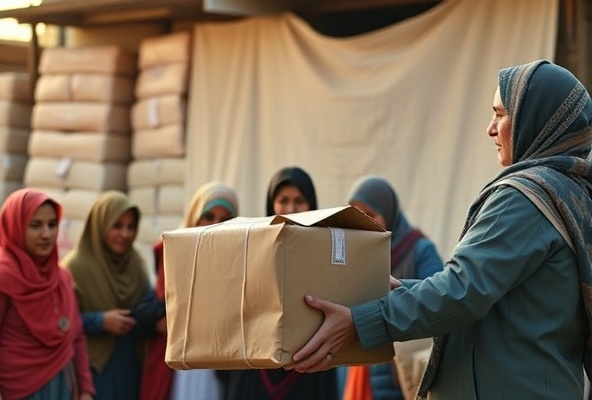
AREA has successfully delivered critical humanitarian assistance to 10,000 vulnerable families across Afghanistan's crisis regions. Through swift, coordinated emergency response operations, AREA has provided life-saving support during natural disasters, conflicts, winterization emergencies, and other humanitarian crises that threaten Afghan communities.
Emergency Response Mandate
AREA's Emergency Relief Programs operate under a clear mandate: to respond swiftly and effectively whenever vulnerable populations face crisis situations. From sudden natural disasters to protracted humanitarian emergencies, AREA mobilizes resources, personnel, and expertise to provide immediate assistance while also supporting medium-term recovery and resilience building.
The organization implements emergency programs across Afghanistan addressing diverse crises including droughts, earthquakes, floods, conflict-related displacement, health disease outbreaks, winterization effects, and food insecurity. This comprehensive approach ensures families receive support regardless of the type of crisis they face.
Types of Humanitarian Assistance Provided
Food & Nutrition Support
AREA provides supplementary food packages containing essential staples including wheat flour, cooking oil, pulses, and micronutrient fortified foods to families facing food insecurity. In acute crises, immediate food distribution saves lives and prevents malnutrition, particularly among children and pregnant/lactating women.
Cash for Work Programs
Rather than simple cash handouts, AREA implements "cash for work" initiatives where community members earn wages by participating in community infrastructure projects. Families gain income to purchase essential goods while simultaneously improving local infrastructure—a dignified approach preserving work and community contribution.
Food for Work Programs
Similar to cash for work but with food-based compensation, these programs employ community members in infrastructure rehabilitation, irrigation restoration, and emergency recovery activities. Families receive food rations while rebuilding critical community infrastructure damaged by disasters.
Agricultural Emergency Support
When droughts or natural disasters threaten agricultural livelihoods, AREA provides emergency support including improved seeds, agricultural inputs, and livestock support. This enables farmers to rehabilitate their lands and resume productive activities essential for medium and long-term food security.
WASH & Shelter Support
Emergency situations often create acute water, sanitation, and shelter crises. AREA provides water trucking, WASH supplies, temporary shelter materials, and sanitation facilities to prevent disease outbreaks and protect vulnerable populations from environmental hazards.
Health & Medical Assistance
AREA deploys mobile health teams to crisis areas, providing medical care, vaccination campaigns, and health education. During disease outbreaks, AREA implements rapid response health interventions to prevent epidemic spread and protect vulnerable populations.
Crisis Situations Addressed
AREA's emergency response covers multiple types of crises:
- ✓ Natural Disasters: Earthquakes, flooding, landslides, and drought causing displacement and food insecurity
- ✓ Conflict-Related Crises: Displacement of IDPs, returnee populations, and conflict-affected families requiring protection and assistance
- ✓ Winterization Emergencies: Extreme cold and snow threatening vulnerable populations lacking adequate shelter and heating
- ✓ Health Emergencies: Disease outbreaks and health crises requiring rapid response and medical intervention
- ✓ Food Security Crises: Localized food insecurity from drought, price shocks, or economic collapse requiring emergency food support
Rapid Response Capacity
AREA maintains specialized Emergency Response Teams positioned across multiple provinces to enable rapid mobilization when crises occur. Key components of AREA's rapid response include:
- ✓ 24/7 Monitoring: Constant surveillance of humanitarian situation to identify emerging crises
- ✓ Pre-positioned Supplies: Emergency supplies strategically stored to enable immediate distribution
- ✓ Trained Personnel: Emergency response specialists trained in humanitarian assistance protocols
- ✓ Logistics Networks: Established supply chains and partnerships enabling rapid deployment to remote areas
- ✓ Coordination Mechanisms: Links with UN agencies, government, and other NGOs ensuring complementary response
The 10,000 Families Assisted
AREA's assistance to 10,000 families represents coordinated relief operations across multiple crises and provinces:
- • Geographic Spread: Families across 10+ provinces benefiting from AREA's relief operations
- • Vulnerable Groups: Prioritizing IDPs, returnees, women-headed households, orphans, and persons with disabilities
- • Diverse Assistance: Combination of food, cash, shelter, health, and livelihood support tailored to specific needs
- • Estimated 50,000+ Individuals: Counting family members, approximately 50,000+ individuals benefit directly from assistance
Beneficiary-Centered Approach
AREA's emergency relief prioritizes dignity and empowerment:
- ✓ Participatory Needs Assessment: Beneficiaries identify their own priorities rather than external actors deciding assistance
- ✓ Work-Based Assistance: Preferring cash/food for work over unconditional handouts, preserving beneficiary dignity and contribution
- ✓ Community Involvement: Engaging community leaders and structures in assistance planning and implementation
- ✓ Cultural Sensitivity: Ensuring all assistance respects Islamic values, local traditions, and community norms
- ✓ Accountability: Transparent processes with regular communication about assistance and program outcomes
Impact & Outcomes
AREA's emergency relief operations deliver measurable humanitarian impact:
- • Lives saved through immediate provision of food, water, shelter, and medical care during acute crises
- • Prevention of disease outbreaks through WASH interventions and health support during emergencies
- • Maintenance of family unity by assisting entire households rather than separating vulnerable members
- • Community infrastructure improvement through cash/food for work programs rebuilding assets damaged by crises
- • Enhanced resilience to future crises through combined emergency assistance and recovery support
Coordination & Partnerships
AREA's emergency response effectiveness is enhanced through strategic partnerships:
- ✓ UN Agencies: Coordination with UNHCR, WFP, UNHABITAT for complementary humanitarian assistance
- ✓ Government: Close collaboration with ANDMA (Afghanistan National Disaster Management Authority) and provincial authorities
- ✓ NGO Cluster: Participation in humanitarian clusters ensuring no gaps in assistance coverage
- ✓ Community Organizations: Engagement with community shuras and local civil society structures
Future Emergency Response Capacity
Building on current success, AREA plans to strengthen emergency response:
- ✓ Expand emergency response coverage to reach an additional 10,000 families by 2027
- ✓ Establish additional pre-positioned supply warehouses in underserved regions
- ✓ Enhance preparedness through disaster risk reduction training in vulnerable communities
- ✓ Implement early warning systems to anticipate emergencies and enable preventive action
- ✓ Develop recovery-to-development transition programs supporting medium-term resilience building
Humanitarian Commitment in Crisis
AREA's assistance to 10,000 families in crisis regions demonstrates unwavering commitment to protecting the most vulnerable when they face emergencies. By combining immediate life-saving assistance with medium-term recovery support, AREA helps communities not just survive crises but rebuild with greater resilience.
For more information about AREA's emergency response programs or to support humanitarian operations, please contact AREA.