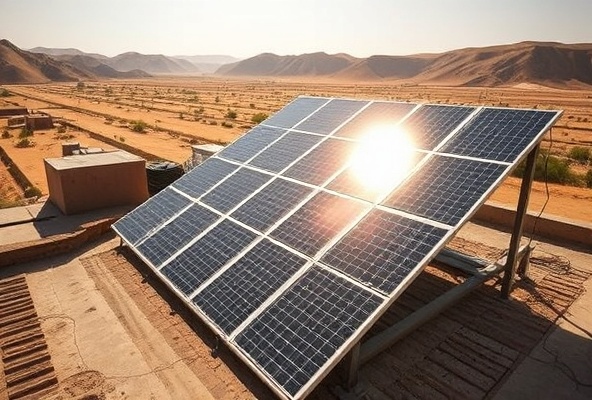
AREA is proud to announce a major milestone: the Alternative Energy Project has successfully reached 5,000 households across Afghanistan with sustainable, renewable energy solutions. This achievement represents a transformative step toward reducing dependency on non-renewable energy sources and protecting the environment while improving quality of life in rural communities.
Project Background & Mission
AREA's Alternative Technologies Department has been instrumental in planning, designing, developing, and promoting innovative energy solutions tailored to Afghanistan's needs. Recognizing the critical challenges of energy poverty and environmental degradation in rural areas, the project was conceived to introduce sustainable alternatives that would reduce pressure on non-renewable energy sources while fostering long-term economic and environmental resilience.
The Alternative Energy Project is grounded in AREA's commitment to environmentally sustainable interventions that foster self-reliance and community empowerment. By introducing proven renewable technologies, the project enables communities to meet their basic energy needs independently and cost-effectively.
Key Technologies Deployed
Solar Photovoltaic Modules
At the heart of the project, solar PV systems have been installed in thousands of homes and community facilities. These modular systems provide reliable electricity for lighting, phone charging, and small appliances, dramatically improving quality of life while eliminating dependency on diesel generators and batteries.
Solar Water Heaters
Specially designed for Afghanistan's climate, solar water heating systems provide households with hot water for domestic use and hygiene without consuming fossil fuels. This simple but powerful technology reduces the time and resources families spend gathering firewood while improving health outcomes, particularly for women and children.
Solar Cookers
Bryan solar cookers have been distributed extensively throughout target communities. These cookers harness the sun's energy for meal preparation, eliminating the need for firewood and reducing indoor air pollution—a critical health issue in Afghan households. Solar cookers are particularly beneficial for women, reducing the time spent on fuel collection and cooking while improving household air quality.
Micro Hydropower Plants
In communities with access to water resources, AREA has established micro hydropower installations. These small-scale systems provide steady, reliable electricity generation, powering homes and small businesses. Micro hydropower offers advantages in communities near rivers and streams, providing consistent energy supply regardless of weather conditions.
Biogas Plants
For pastoral and agricultural communities, AREA has promoted biogas systems that convert livestock waste into clean cooking fuel and organic fertilizer. This circular economy approach improves sanitation, reduces methane emissions, and provides communities with dual benefits of renewable energy and agricultural productivity enhancement.
Advanced Water Pumping Solutions
AREA has deployed solar-powered water pumps and wind pumps for irrigation and water supply, replacing diesel-powered alternatives. These solutions dramatically reduce operational costs for farmers while ensuring reliable water access for agricultural development and household consumption.
Impact & Achievements
The Alternative Energy Project has delivered remarkable outcomes across target communities:
- ✓ 5,000 Households Powered: Families now have access to reliable, clean energy for essential needs including lighting, phone charging, and appliance operation.
- ✓ Environmental Protection: Elimination of thousands of tons of CO2 emissions and reduced pressure on Afghanistan's forest resources and non-renewable energy infrastructure.
- ✓ Health Improvements: Reduced indoor air pollution from traditional cooking methods, particularly benefiting women and children exposed to harmful smoke.
- ✓ Economic Benefits: Families save significant money previously spent on firewood, diesel fuel, and candles, freeing resources for education, healthcare, and business development.
- ✓ Gender Empowerment: Reduced fuel collection burden on women, allowing more time for education, income-generating activities, and community participation.
- ✓ Agricultural Productivity: Reliable water pumping and irrigation systems enable farmers to increase crop yields and diversify agricultural production.
Community Training & Capacity Building
Beyond installation, AREA has prioritized community education and skill development. Training programs equip local technicians with maintenance and repair skills, ensuring sustainability and creating local employment opportunities. Community members learn to:
- • Operate and maintain solar systems safely and effectively
- • Troubleshoot common technical issues independently
- • Replace components and extend system lifespan
- • Develop small businesses around renewable energy services
Geographic Reach & Communities Served
The project operates across multiple provinces including Kabul, Nangarhar, Balkh, Herat, Paktia, Helmand, Logar, Wardak, Badakhshan, and surrounding regions. Target communities include vulnerable rural populations, pastoral communities, agricultural areas, and underserved urban neighborhoods. The project prioritizes reaching women-headed households, IDPs, returnees, and other marginalized populations.
Sustainability & Long-Term Vision
AREA's approach prioritizes long-term sustainability over short-term solutions. The project focuses on:
- • Local Ownership: Communities maintain and own systems, creating economic incentives for continued functionality.
- • Supply Chain Development: Supporting local shops and technicians to provide spare parts and services.
- • Financial Mechanisms: Exploring innovative financing options to enable community members to invest in systems without prohibitive upfront costs.
- • Monitoring & Evaluation: Continuous assessment of system performance and community satisfaction to improve approach and scale what works.
Future Expansion Plans
Building on this success, AREA plans to expand the Alternative Energy Project to reach an additional 10,000+ households by 2027. Plans include:
- ✓ Introduction of new technologies including advanced battery storage systems
- ✓ Scaling micro hydropower and wind energy initiatives
- ✓ Integration with rural electrification mini-grids for cluster-based communities
- ✓ Climate adaptation programs addressing energy security in fragile environments
Commitment to Sustainable Development
The Alternative Energy Project demonstrates AREA's dedication to SDG 7 (Affordable and Clean Energy), SDG 13 (Climate Action), and SDG 5 (Gender Equality). By providing clean, renewable energy access while building community capacity and protecting the environment, AREA contributes meaningfully to Afghanistan's sustainable development agenda.
For more information about the Alternative Energy Project or to explore partnership and sponsorship opportunities, please contact AREA.